
cb png template: Viral AI Video Editing Guide 2026
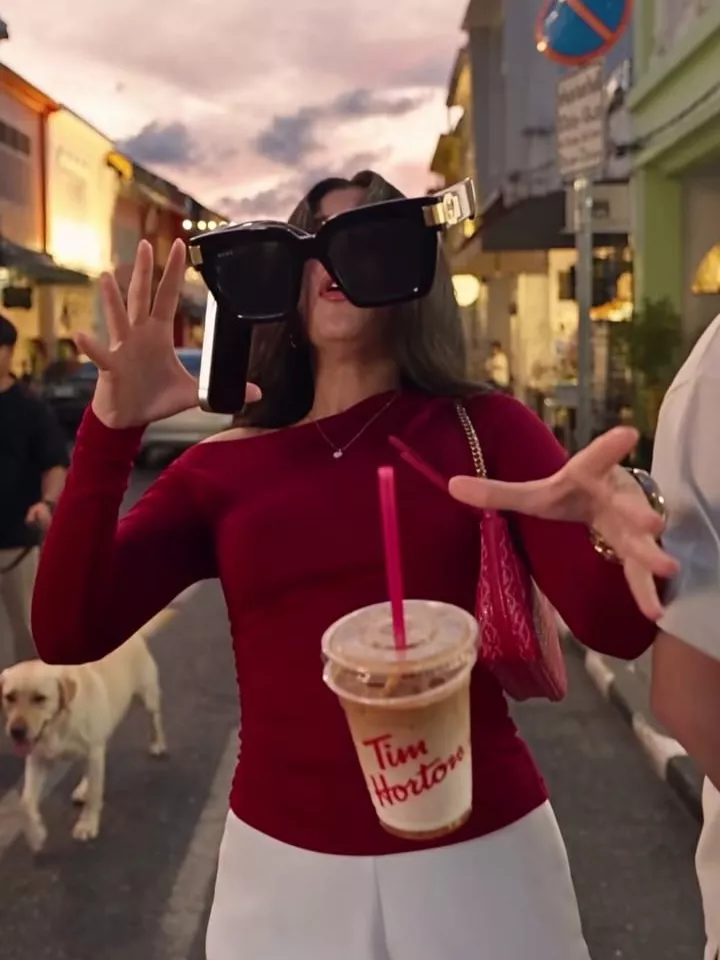
Creating a believable AI video no longer requires a professional film crew, expensive cameras, or advanced 3D software. This cb png template guide explains how to turn a personal image and a carefully written instruction into a short, cinematic clip designed for social media. The workflow is useful for creators who want realistic motion, dramatic scenes, and a strong vertical format.
The central idea is simple: prepare a clear reference image, describe the action in detail, and use an AI video generator to animate the scene. With the right structure, you can create imaginative moments such as a person appearing to walk across water, a product captured in slow motion, or a quiet village transformed into a moving cinematic landscape.
cb png template and the viral AI video concept
Short AI videos attract attention because they combine familiar visual details with an unexpected event. A person walking normally through an urban setting may suddenly become part of a dramatic slow-motion sequence. The scene feels convincing when the character, camera, lighting, and physical movement remain consistent from beginning to end.
Read Also: cb png template: New Trending CapCut Templates 2026 | cb png template : Jag Hai Pa Jata Jag Hai Pa Jata CapCut Guide 2026
For this cb png template workflow, think of the video as a miniature film rather than a random animation. A strong result usually includes a defined subject, a setting, a camera path, an exact duration, a clear aspect ratio, and a specific ending. These details help the model understand what must remain stable while the action changes.
- Subject: Identify the person, product, or object that should remain visually consistent.
- Location: Describe the street, field, village, desert, room, or other environment.
- Action: Explain what happens in sequence instead of listing unrelated effects.
- Camera: Specify tracking, zooming, panning, orbiting, or a low-angle view.
- Timing: Divide the clip into beginning, middle, and final moments.
- Output: State whether the result should be vertical, realistic, animated, or cinematic.
cb png template preparation before generation
Before opening an AI video tool, gather the materials that will control the final result. Start with a sharp portrait or full-body photograph. Good lighting, a visible face, and a simple background make it easier for the system to preserve identity. Avoid blurry images, heavy filters, and photographs where the subject is partly hidden.
Next, decide where the video will be published. A 9:16 vertical frame works well for short-form platforms, while a wider frame is more suitable for a website or presentation. Keep the main action near the center because social apps may crop the edges when displaying previews.
You should also choose a practical duration. A short clip is easier to control, especially when the scene includes several actions. Instead of asking for many unrelated events, build one clear visual story: introduce the subject, trigger the surprising moment, show the key detail, and finish with a memorable frame.
| Element | Recommended choice | Why it helps |
|---|---|---|
| Reference image | Sharp portrait or full-body photo | Improves identity and clothing consistency |
| Frame | Vertical 9:16 | Fits most short-form video feeds |
| Duration | Short single scene | Reduces continuity errors |
| Prompt structure | Timeline with camera directions | Makes movement easier to follow |
| Final frame | Clear action or reaction | Creates a stronger shareable ending |
cb png template setup in an AI video tool
Several platforms can convert an image and written direction into a moving clip. The interface may change, but the general process remains similar. Google’s Flow creative video tool is one option for exploring image-to-video generation, provided it is available in your region and account.
- Sign in to the selected AI video platform.
- Create a new project rather than editing an unrelated draft.
- Choose the image-to-video, frame-to-video, or equivalent mode.
- Upload your reference image and check that it appears correctly.
- Paste the prepared direction into the prompt field.
- Select the vertical format and review any duration settings.
- Generate a first draft and inspect the movement before making changes.
Do not judge the first output only by its visual excitement. Check whether the face remains stable, whether hands and objects behave naturally, and whether the camera follows the requested path. If the result fails, simplify the action instead of adding more adjectives.
Luxury bullet-time product sequence
This first prompt block is designed for a polished advertising-style sequence with a sudden collision, suspended objects, and a dramatic return to normal speed. Use a reference image for the main person and separate visual references when the tool supports them.
For the cleanest result, keep the identity and hero product references consistent. If the generated clip struggles with several objects, create a simpler version first and add complexity only after the character remains stable.
AI image preparation for a cinematic video
Some concepts work better when you create a still image before animating it. A carefully composed image gives the video model a clear starting point for the environment, lighting, characters, and depth. This is especially helpful for fantasy landscapes, village scenes, and illustrated settings.
When designing the still, describe the foreground, middle distance, and background separately. Mention light sources, weather, architecture, and important props. However, avoid filling the scene with unnecessary objects. Every extra item may become distorted or move in an unexpected way during animation.
A peaceful nighttime setting, for example, can include a warm home, a moonlit sky, distant fields, and a slow-moving vehicle. Once the image looks complete, use a motion prompt that asks for gentle changes rather than a new composition. This preserves the original visual arrangement.
Moonlit countryside image-to-video scene
This second prompt block focuses on transforming a detailed still image into a calm animated environment. It is suited to creators who want a relaxing, storybook-inspired clip with subtle environmental movement.
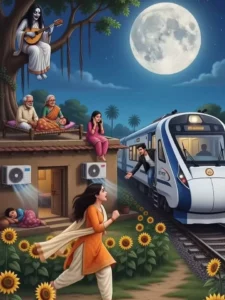
Use low-intensity motion for clouds, grass, lights, and reflections. Gentle animation often looks more natural than forcing every object to move at the same time.
AI video editing with motion, sound, and pacing
Visual motion is only one part of a convincing viral AI video. Pacing also affects how viewers understand the scene. Begin with a stable shot so the audience can identify the subject. Then introduce the unusual action and reserve the strongest camera movement for the moment that deserves attention.
Sound can reinforce the story, but it should support rather than overpower the visuals. Add footsteps, wind, impact sounds, crowd reactions, or atmospheric music during editing. If spoken dialogue is included, write short lines and identify the language clearly. Review any generated speech carefully because pronunciation and timing may vary.
For editing, tools such as CapCut can help with trimming, captions, sound design, speed changes, and export settings. Keep transitions limited when the source clip is meant to look like one continuous take. A clean cut or subtle speed ramp is usually more effective than a busy collection of effects.
Anime-inspired floating character scene
This third prompt block presents a dramatic character moment in which a person appears to float above a deep landscape. It is intended for an image-led cinematic sequence with a strong reveal, controlled camera movement, and atmospheric effects.
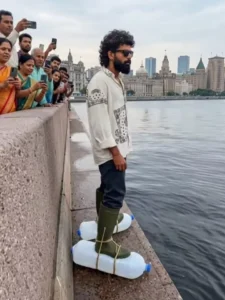
For better continuity, make the starting image match the character description exactly. Keep the camera direction simple during the reveal so the model can preserve the subject’s body position and clothing.
cb png template quality checks and fixes
AI-generated footage often looks impressive at first glance but may contain small errors. Inspect the clip frame by frame when possible. Watch for changing facial features, extra fingers, warped shoes, floating props, unstable shadows, and objects that appear or disappear without explanation.
- Face changes: Use a clearer reference image and reduce unnecessary camera rotation.
- Broken hands: Avoid complex hand actions and keep important objects away from the fingers.
- Unstable clothing: Describe the outfit once and avoid contradictory colors or materials.
- Confusing movement: Divide the action into time ranges with one main event per range.
- Weak realism: Add natural lighting, contact shadows, believable weight, and restrained motion blur.
- Incorrect framing: Place the main subject in the center and confirm the selected aspect ratio.
Another useful method is to generate several short drafts rather than one ambitious clip. Compare them for character stability, composition, and motion. Select the strongest version, then improve it with editing, captions, music, and color adjustments.
Final dramatic reveal and reaction shot
This fourth prompt block is built for a short, high-impact reveal that moves from a grounded setup into an impossible cinematic event. Treat it as the closing concept in the workflow and keep the opening image visually simple.
After generation, trim the opening and ending if they feel slow. A clear reaction, rising motion, or sudden change in scale can provide the final beat that encourages viewers to watch again.
cb png template export and publishing checklist
Before exporting, watch the complete video without pausing. Confirm that the beginning makes sense, the central action is visible, and the ending does not cut away too early. Add a short caption if viewers need context, but do not explain every detail in large text over the subject.
- Export at the highest available resolution.
- Keep the vertical frame free from important edge details.
- Use readable captions with strong contrast.
- Credit licensed music, reference assets, or collaborators where required.
- Label fictional or AI-generated scenes honestly when the context could confuse viewers.
- Preview the upload on a phone before sharing it publicly.
Ethical presentation matters because realistic AI footage can be mistaken for documentary video. Avoid using another person’s likeness without permission, do not create misleading news-style scenes, and follow the rules of the platform where you publish. Responsible labeling can build trust without reducing the creative value of the work.
cb png template frequently asked questions
How does a cb png template help with viral AI video editing?
It provides a repeatable structure for organizing the topic, reference image, scene action, camera movement, and export plan. The structure does not replace creative judgment, but it helps you write clearer directions and reduce random results.
What image works best for an AI image-to-video project?
Use a sharp, well-lit image with a clear subject and minimal visual clutter. A front-facing or full-body photograph is usually easier to animate than a dark, blurry, heavily filtered image.
Can I create a vertical AI video for social media?
Yes. Select a 9:16 canvas when the platform supports it, keep the subject near the center, and preview the final crop before publishing. Short, focused scenes generally perform better than overloaded sequences.
cb png template conclusion
A successful viral AI video begins with a strong visual idea and a practical production plan. Prepare a clean reference image, describe the action in stages, choose a suitable image-to-video tool, and review every generated draft for continuity. Then use editing software to improve pacing, sound, captions, and export quality.
This cb png template approach gives you a reliable foundation for experimenting with cinematic AI video prompts, fantasy scenes, product moments, and realistic social clips. Start with one focused concept, generate your first draft, and refine it until the story feels clear. Create your next scene today and share the result responsibly.
Leave a Reply